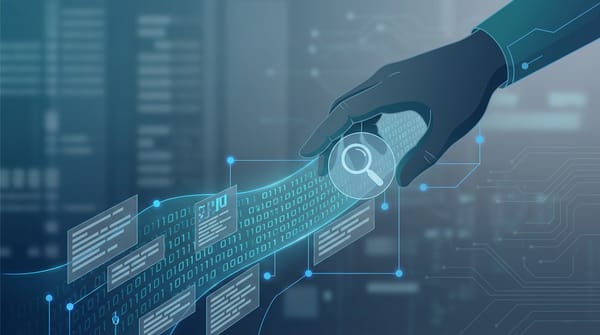
Next Generation Learning Tracking Technologies

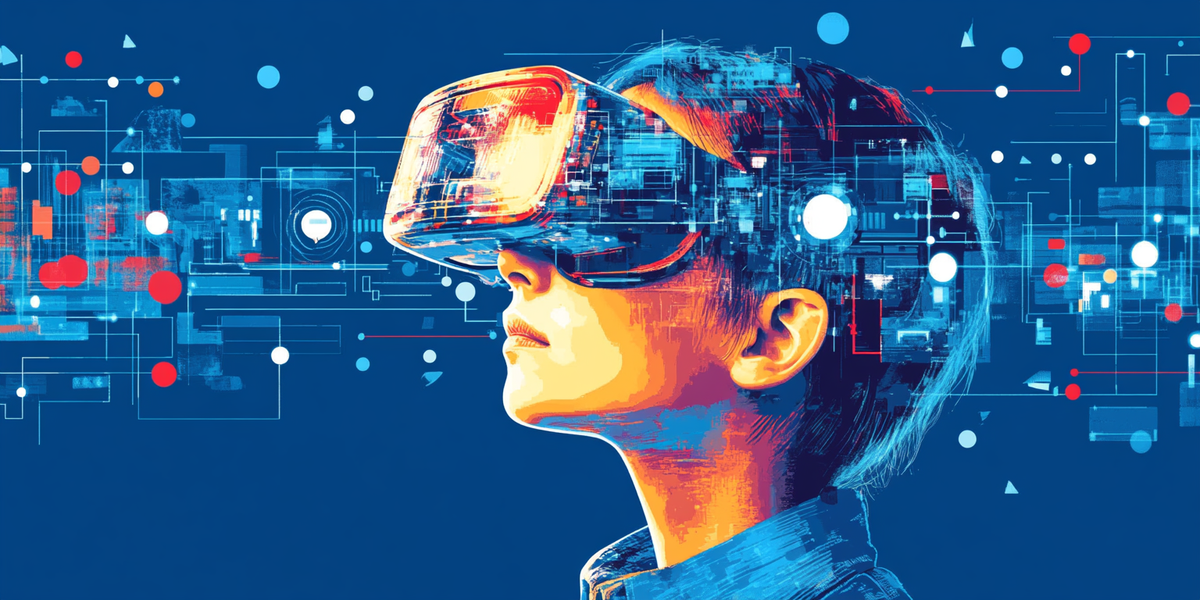
Explore the future of educational technology as we delve into cutting-edge learning tracking systems set to revolutionize the way we measure educational progress.
The Evolution of Learning Tracking Systems: From SCORM to xAPI
The journey of learning tracking systems has seen significant advancements over the years. SCORM, which stands for Sharable Content Object Reference Model, was a pioneering technology that standardized the packaging and sequencing of learning content. However, as educational needs evolved, SCORM’s limitations became evident, particularly its inability to track learning experiences outside of the LMS.
Enter xAPI, or Experience API, which brought a more flexible and comprehensive approach to tracking learning activities. xAPI enabled the capturing of a wide range of learning experiences, both online and offline, and provided richer data for analysis. Despite its advancements, xAPI also faced challenges, such as complexity in implementation and integration. As we look forward, the quest for the next-generation learning tracking solutions continues.
Emerging Technologies in Learning Analytics
The future of learning tracking is being shaped by cutting-edge technologies in learning analytics. These technologies are focused on providing deeper insights into learner behaviors, preferences, and outcomes. Learning analytics tools are now leveraging big data to analyze vast amounts of information, offering educators actionable insights to enhance instructional strategies.
Innovative platforms are integrating real-time data collection and analysis, enabling immediate feedback and personalized learning experiences. Predictive analytics is another promising area, where algorithms can forecast learner performance and identify those who may need additional support. As these technologies evolve, they promise to make learning more adaptive and responsive to individual needs.
The Role of Artificial Intelligence in Personalized Learning Paths
Artificial Intelligence (AI) is revolutionizing the way we approach personalized learning paths. By analyzing learner data, AI can create customized learning experiences tailored to individual strengths, weaknesses, and interests. AI-driven platforms can recommend specific content, activities, and assessments that align with each learner’s unique needs.
Moreover, AI can facilitate adaptive learning, where the difficulty and type of content adjust dynamically based on learner performance. This approach not only enhances engagement but also ensures that learners are challenged appropriately, fostering better retention and understanding. The integration of AI in learning tracking systems is a significant step towards truly personalized education.
Blockchain for Transparent and Immutable Learning Records
Blockchain technology is emerging as a powerful tool for creating transparent and immutable learning records. By leveraging blockchain, educational institutions can ensure the security and integrity of learner data. Each learning activity or achievement can be recorded as a block, forming a secure and tamper-proof ledger.
This transparency is particularly beneficial for verifying credentials and certifications, making it easier for employers and other stakeholders to trust the authenticity of a learner’s achievements. Additionally, blockchain can facilitate the seamless transfer of learning records between institutions, simplifying the process for learners moving between different educational environments.
Ethical Considerations and Privacy in Next-Gen Learning Technologies
As we embrace next-generation learning technologies, it is crucial to address ethical considerations and privacy concerns. The collection and analysis of extensive learner data raise questions about data security, consent, and the potential for misuse. Educational institutions and technology providers must prioritize the protection of learner privacy and ensure compliance with relevant data protection regulations.
Ethical AI practices are also essential to prevent biases and ensure fairness in personalized learning paths. Transparency in how data is collected, stored, and used can build trust among learners and educators. By fostering an ethical and secure approach, we can harness the full potential of advanced learning technologies while safeguarding the rights and privacy of all learners.