SME ghosting and the review after the final review: why course feedback breaks down
Your SME went quiet, then your final got one more review. The cause is usually the review process, not the people. Three fixes you can use this week.

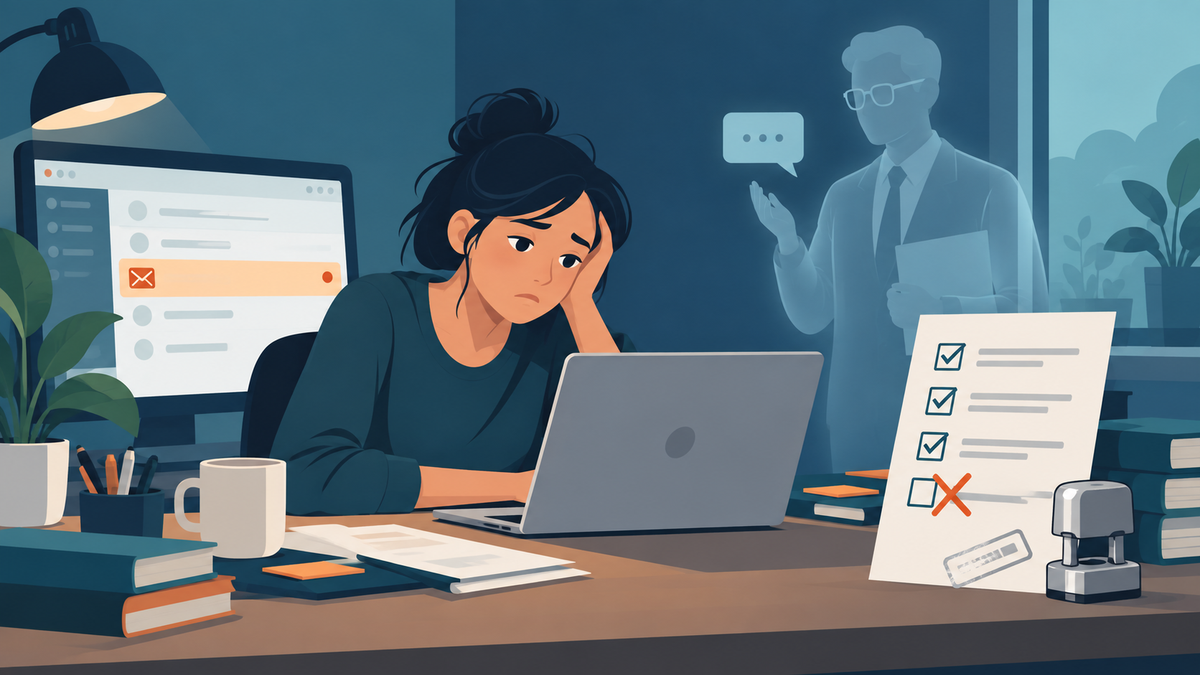
You sent the course for review on a Monday. By Friday, nothing. You nudge. The SME says they will get to it this weekend. The following Wednesday you get a Word document with 40 notes, half of them about slides you rewrote last week.
Then you ship. And two days later someone senior opens the final and asks for one more look. That is the review after the final review, and it is the reason a lot of project timelines are fiction.
Both problems get blamed on the people. The SME is busy, the stakeholder is picky. Mostly, that is the wrong diagnosis.
Why SMEs go quiet
TrainingPros makes the point directly: SME reviews usually stall not because SMEs are uncooperative, but because the review process was never designed. They list the usual breakdowns: SMEs asked to review everything instead of specific items at a specific stage, feedback from several stakeholders with no clarity on who decides, comments that mix factual corrections with personal preferences, and changes to items that were already approved.
Add the mechanics. The SME gets a zip file or a link that needs a login they never made. They are not sure what you want from them. The ask is "can you take a look?" - which is the hardest kind of task to start, so it waits. Nobody ghosts on purpose. A vague ask with friction attached just loses to everything else on the calendar.
Three fixes you can apply this week
1. Ask one question per review. "Is the content accurate?" is a task. "Review the course" is a project. Tafanti suggests splitting reviews into stages - script, storyboard, working course - and telling SMEs what to look at in each. Put the question in the message, not in a kickoff deck they have forgotten.
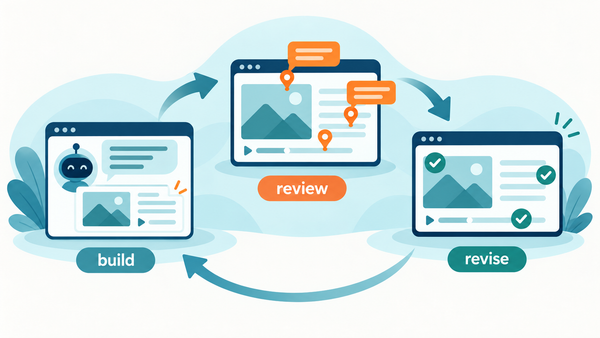
2. Remove every step before the first comment. If the SME has to create an account, find the right slide in a PDF, or describe a screen in words, some of them will not do it. The shortest path is a link that opens the real course, where a comment attaches to the screen it is about. That is how Review My eLearning works, and public review links let an external SME or client comment without an account at all.
3. Say what "final" means, and what happens after it. Write down who signs off on what, how many rounds there are, and the date after which only critical fixes go in. TrainingPros recommends a sign-off matrix agreed at kickoff, and Tafanti a change freeze date. It will not stop a late review from being requested. It does give you something to point at when it is - and it lets you plan one in the schedule instead of absorbing it at the last minute.
Make the late review cheap
You will probably never get rid of it, so make it cheap. Keep every round in the same place, so version two does not lose version one's conversation. Give each comment a status and an owner, so "did we already deal with this?" has an answer in ten seconds. A late reviewer who can see what was resolved, and why, asks fewer repeat questions.
This matters more as production speeds up. If a course can be built in an afternoon, review becomes the slow part of the schedule, and a process that was already shaky gets more rounds, not fewer.
How does your team handle the review after the final review? We would like to hear what works.
If you want review to be the fast part, start a free 14-day trial - cancel any time before it ends - and send your first review link today. Reviewers are always free.